#Key Findings
ಪ್ರಮುಖ ಸಂಶೋಧನೆಗಳು
This investigation tracks recurring illegal waste burning in Gubbalala, Bengaluru. Through photographs and AQI monitoring, we've established a consistent pattern of air quality deterioration linked to visible garbage burning activity.
ಈ ತನಿಖೆಯು ಗುಬ್ಬಳಾಳದಲ್ಲಿ ಪುನರಾವರ್ತಿತ ಅಕ್ರಮ ತ್ಯಾಜ್ಯ ಸುಡುವಿಕೆಯನ್ನು ದಾಖಲಿಸುತ್ತದೆ.
Our investigation identified a recurring four-stage pattern through photography and air quality monitoring.
ನಮ್ಮ ತನಿಖೆಯು ನಾಲ್ಕು-ಹಂತದ ಮಾದರಿಯನ್ನು ಗುರುತಿಸಿದೆ.
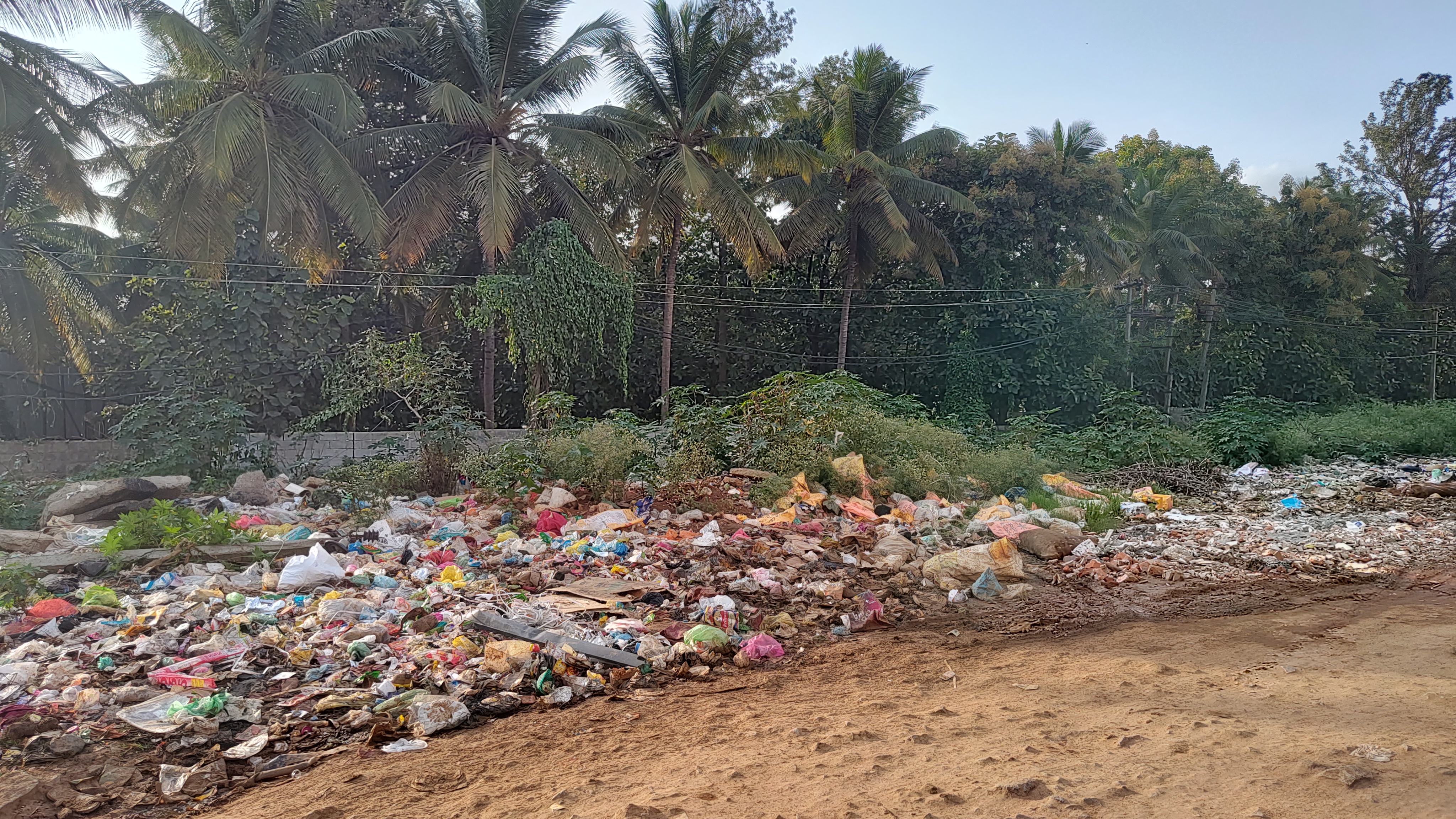
#Stage 1: Waste Accumulation
ಹಂತ 1: ತ್ಯಾಜ್ಯ ಸಂಗ್ರಹ
Observation: Garbage accumulates in designated areas and along roadsides. Municipal collection appears irregular or incomplete.
ಮುನ್ಸಿಪಲ್ ಸಂಗ್ರಹಣೆ ಅನಿಯಮಿತವಾಗಿ ಕಾಣುತ್ತದೆ. ಕಸ ರಾಶಿಯಾಗುತ್ತದೆ.
#Stage 2: Burning Activity
ಹಂತ 2: ಸುಡುವ ಚಟುವಟಿಕೆ
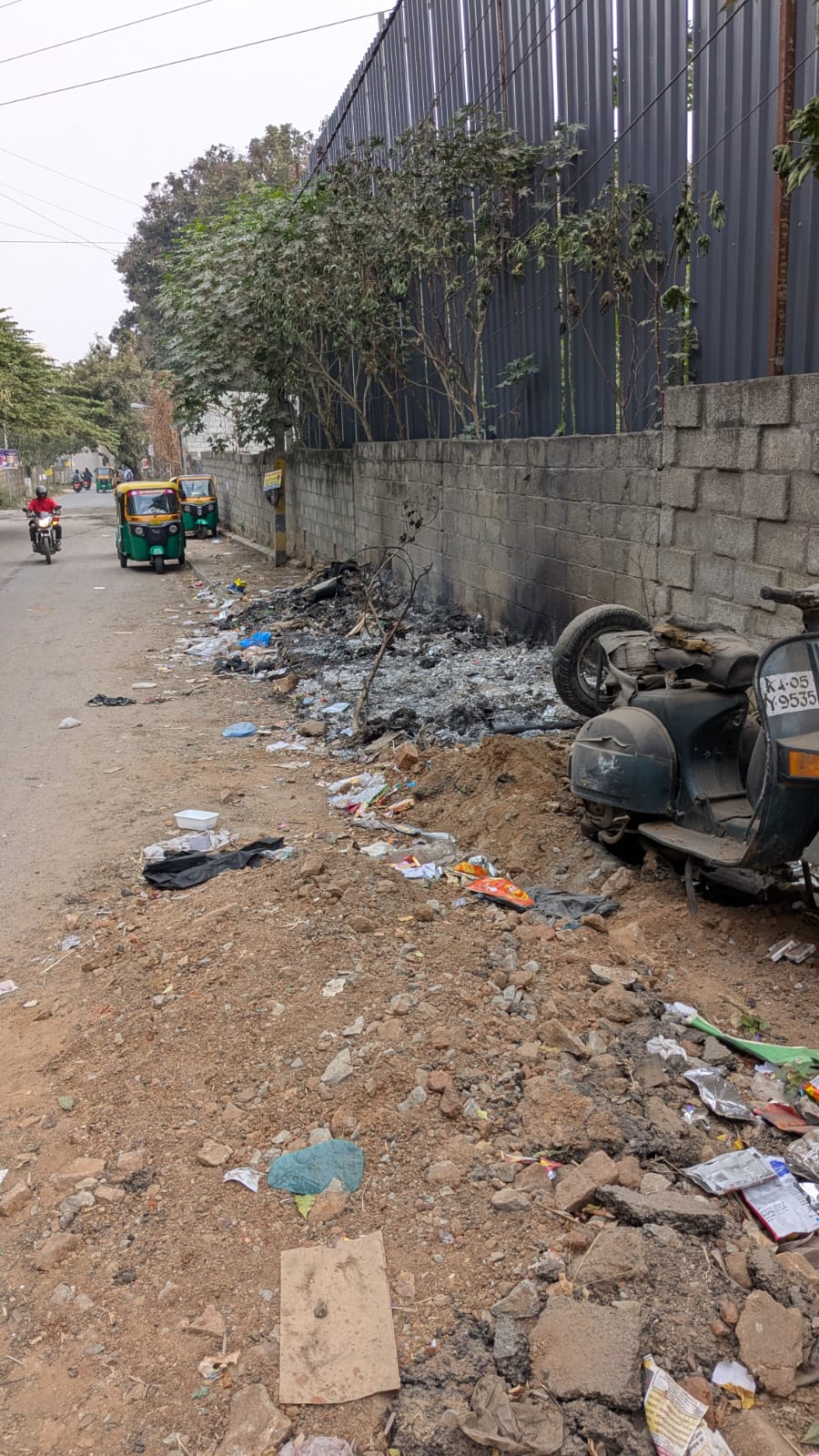
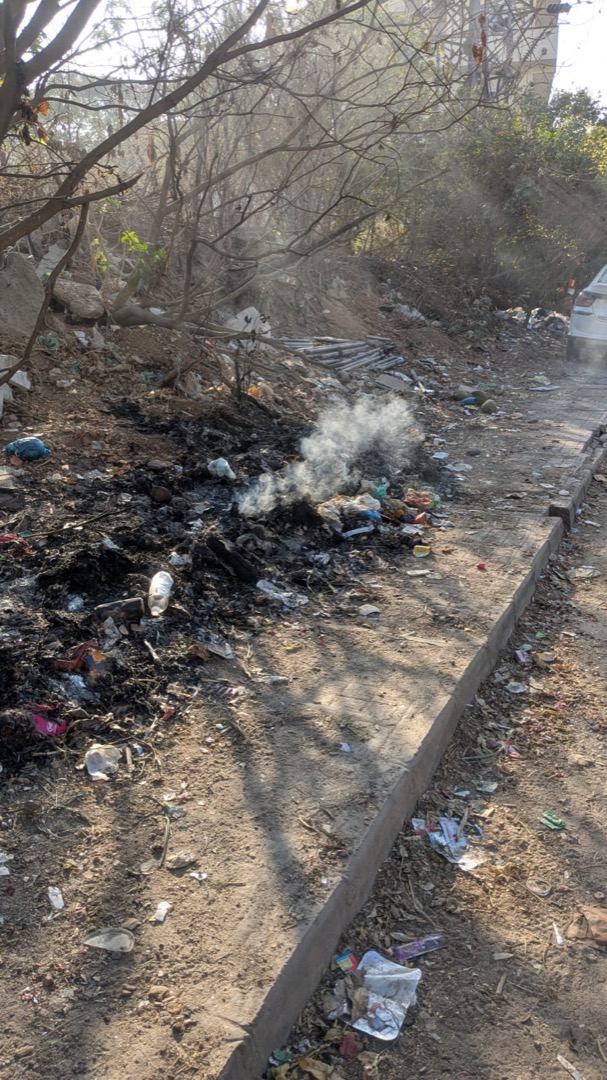
Observation: Accumulated waste is burned in open areas, including mixed waste with plastic, rubber, and organic materials.
ಸಂಗ್ರಹಿತ ತ್ಯಾಜ್ಯವನ್ನು ತೆರೆದ ಪ್ರದೇಶಗಳಲ್ಲಿ ಸುಡಲಾಗುತ್ತದೆ.
#Stage 3: Smoke Dispersion
ಹಂತ 3: ಹೊಗೆಯ ಹರಡುವಿಕೆ
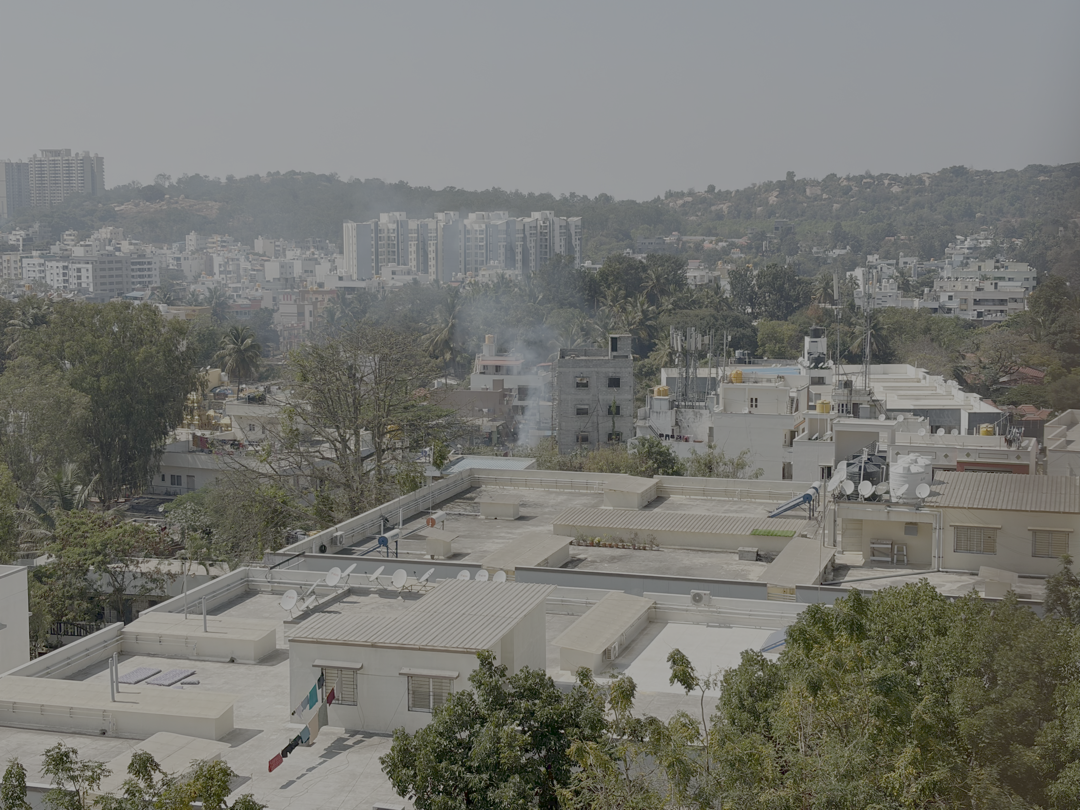
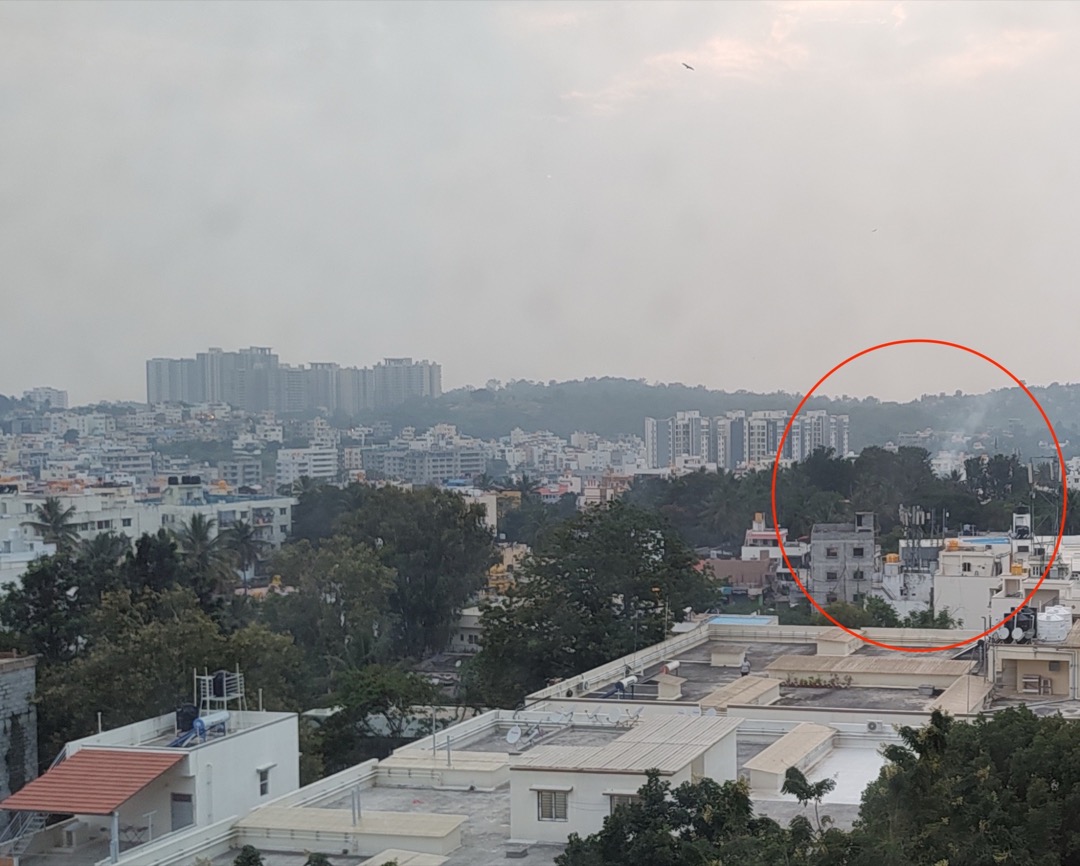
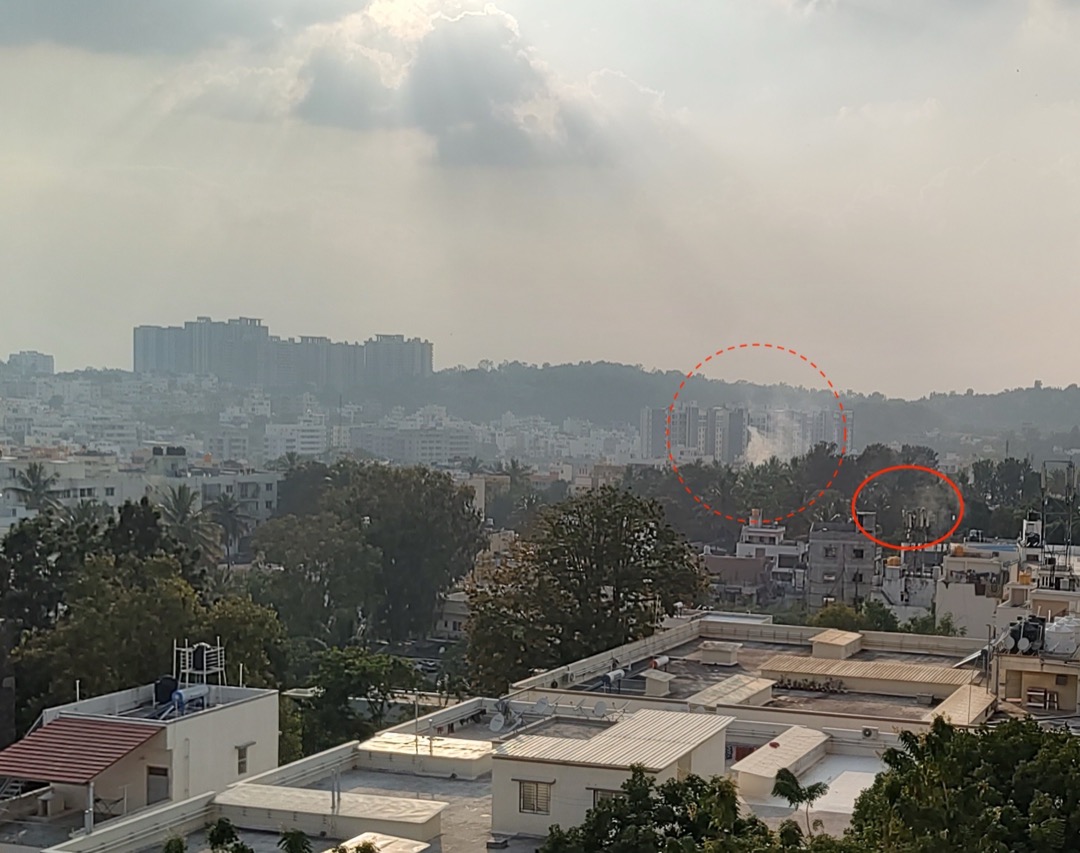
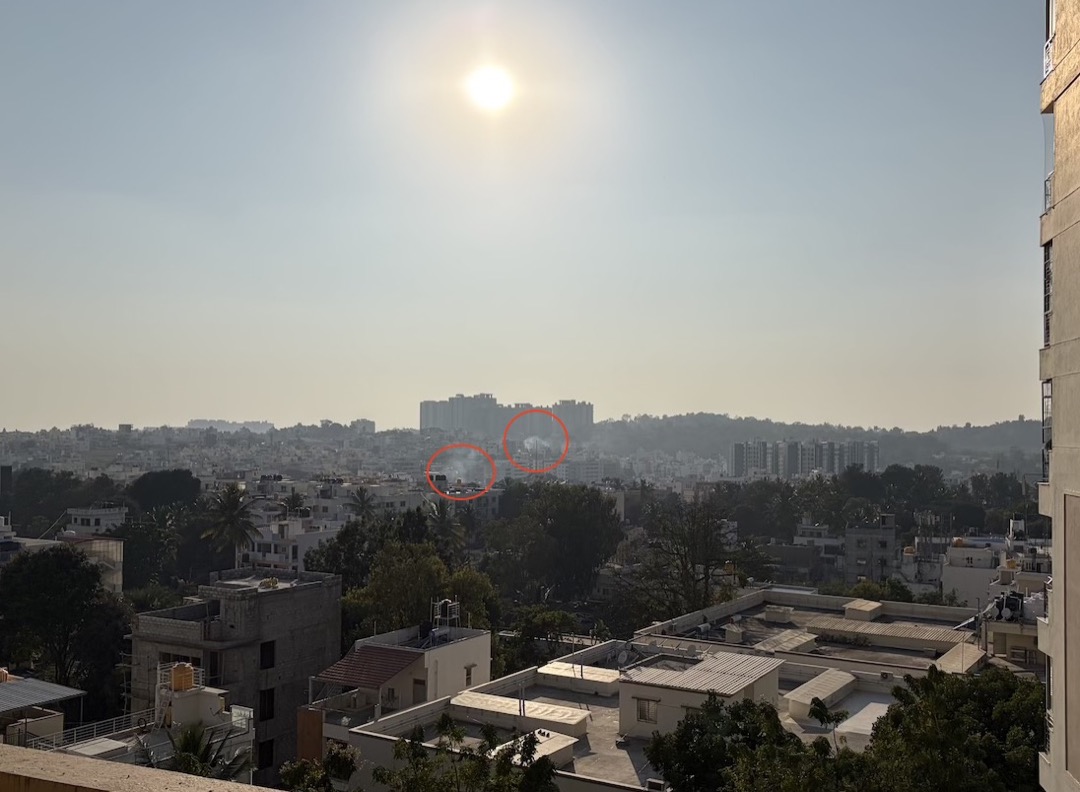
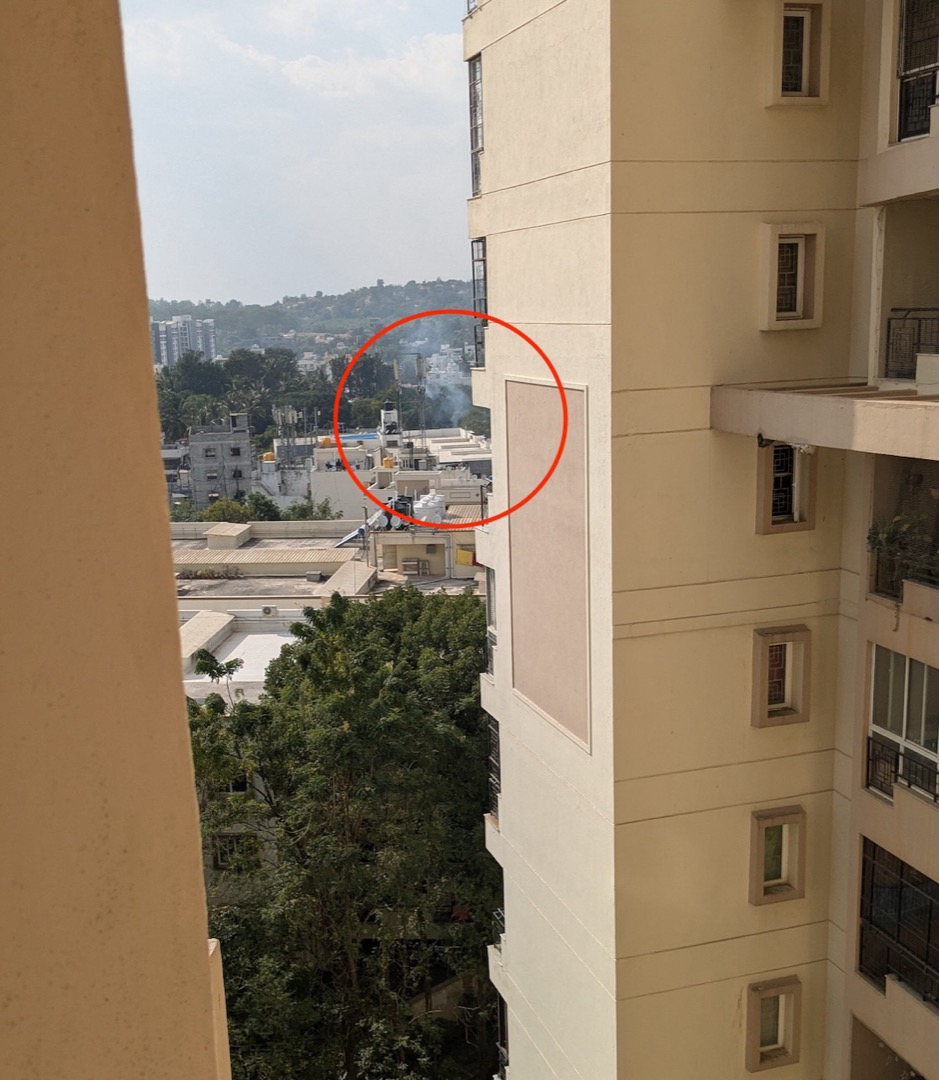
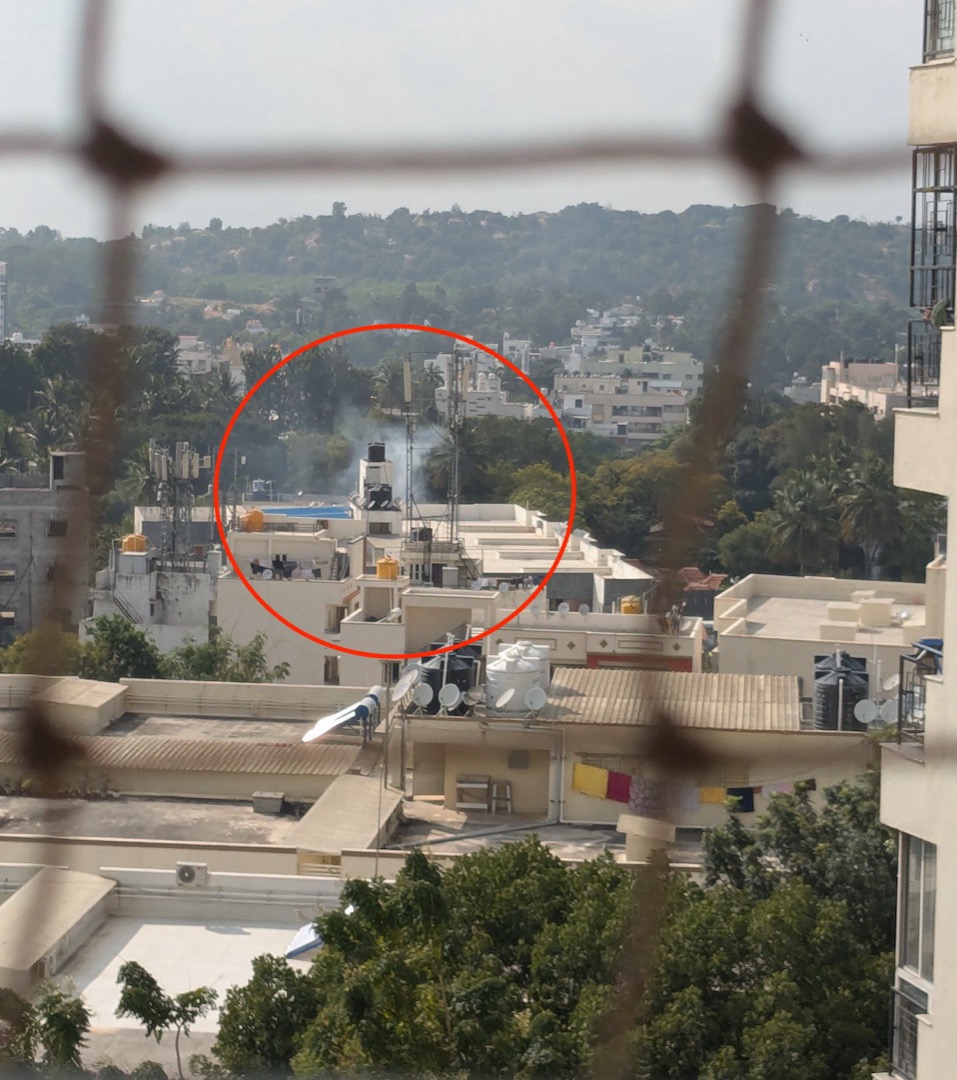
Observation: Visible smoke plumes recorded across multiple locations and times of day, showing consistent dispersion patterns.
ಹೊಗೆಯ ಕಂಬಗಳು ವಿವಿಧ ಸ್ಥಳಗಳಲ್ಲಿ ಮತ್ತು ಸಮಯಗಳಲ್ಲಿ ದಾಖಲಾಗಿವೆ.
#Stage 4: Evening & Night Activity
ಹಂತ 4: ಸಂಜೆ ಮತ್ತು ರಾತ್ರಿ ಚಟುವಟಿಕೆ
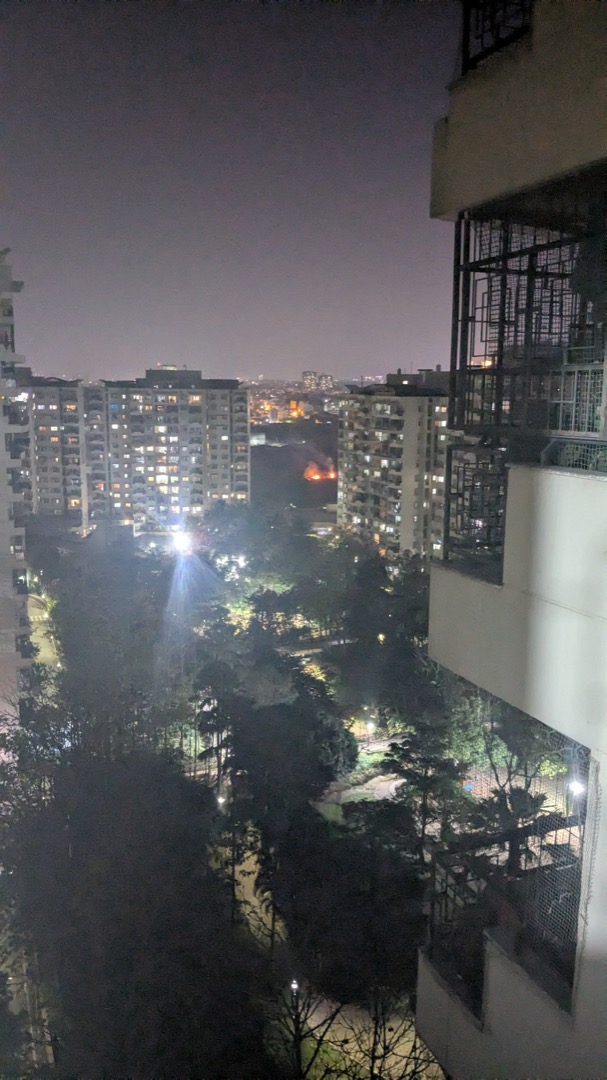
Observation: Burning activity continues into evening hours, as shown through nighttime photography. Reduced visibility makes enforcement more difficult.
ರಾತ್ರಿಯ ಸಮಯದಲ್ಲೂ ಸುಡುವ ಚಟುವಟಿಕೆ ಮುಂದುವರಿಯುತ್ತದೆ.
During winter months (December through February), Bengaluru experiences atmospheric temperature inversion. Cooler air near the ground becomes trapped beneath warmer air above, preventing vertical air circulation and pollutant dispersal.
ಚಳಿಗಾಲದ ತಿಂಗಳುಗಳಲ್ಲಿ, ಬೆಂಗಳೂರು ವಾತಾವರಣದ ತಾಪಮಾನ ವಿಲೋಮತೆಯನ್ನು ಅನುಭವಿಸುತ್ತದೆ.
Summer Conditions
ಬೇಸಿಗೆಯ ಪರಿಸ್ಥಿತಿಗಳು
Normal air circulation allows pollutants to disperse vertically, maintaining healthy air quality.
Winter Conditions
ಚಳಿಗಾಲದ ಪರಿಸ್ಥಿತಿಗಳು
Temperature inversion traps pollutants near ground level, significantly degrading air quality.
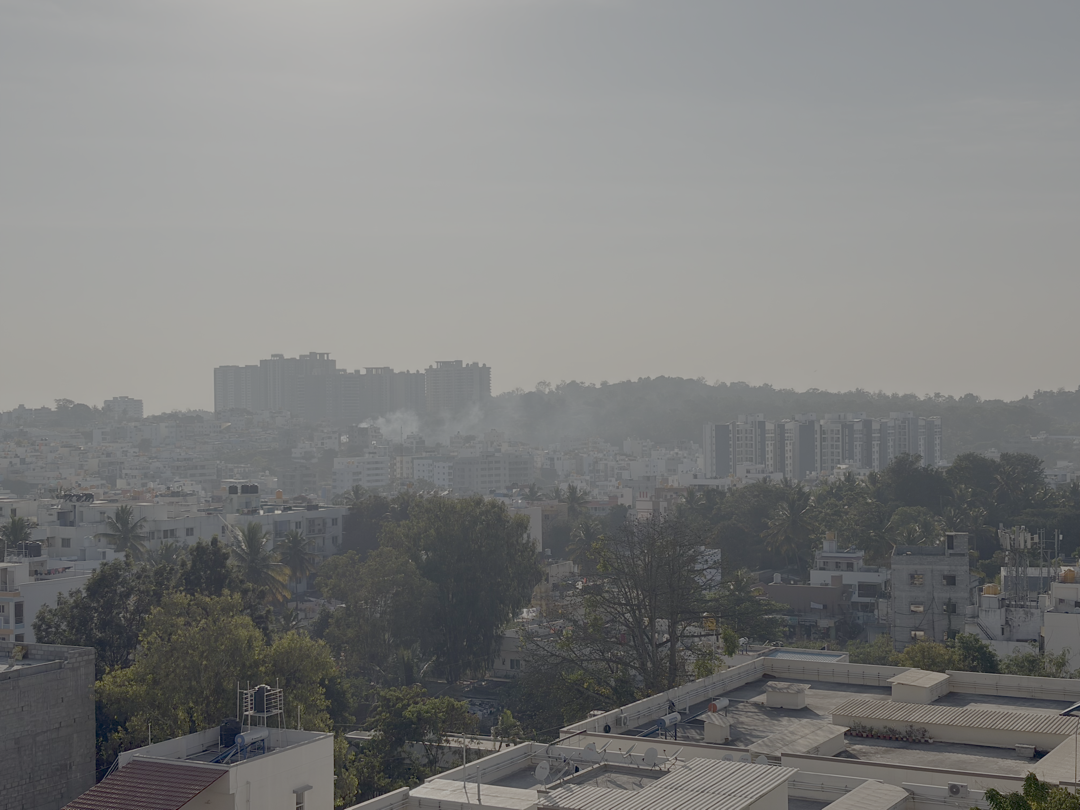
Visual comparison showing the dramatic change in air quality between clear and polluted days.
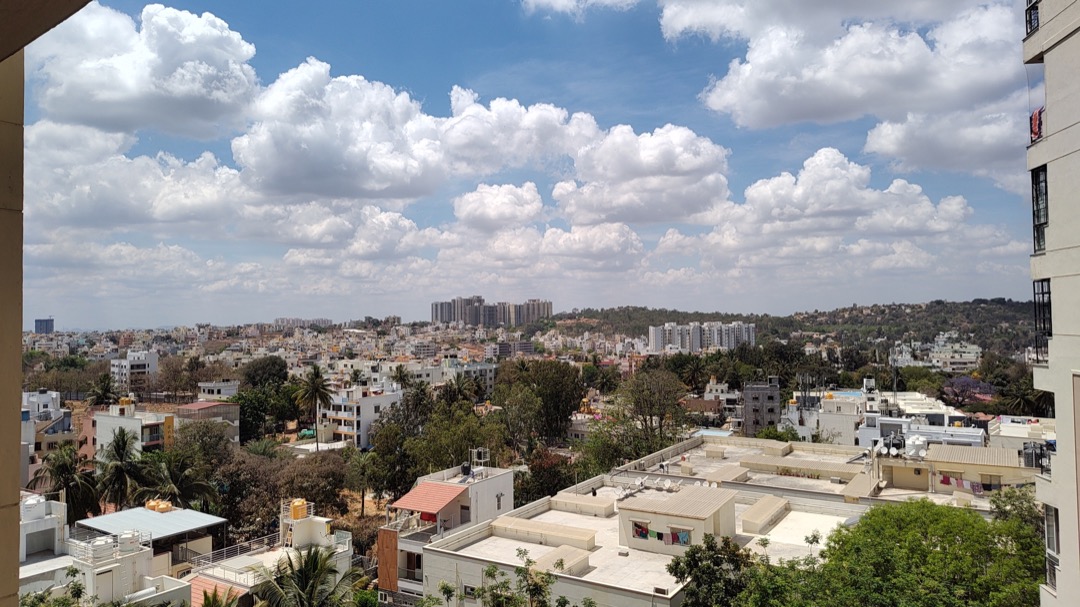
Clear Day Characteristics
- • Visible horizon and distant structures
- • Natural blue sky coloration
- • No visible particulate matter
- • AQI typically 30-50 (Good)
Polluted Day Characteristics
- • Obscured visibility and haze
- • Gray/brown atmospheric discoloration
- • Visible smoke plumes
- • AQI exceeds 150-200 (Poor/Hazardous)
According to health research, breathing air with an AQI of 200 for one day is approximately equivalent to smoking 6 cigarettes. Prolonged exposure increases risks of:
ಆರೋಗ್ಯ ಸಂಶೋಧನೆಯ ಪ್ರಕಾರ, AQI 200 ರ ಗಾಳಿಯನ್ನು ಒಂದು ದಿನ ಉಸಿರಾಡುವುದು ಸುಮಾರು 6 ಸಿಗರೇಟ್ ಸೇವಿಸುವುದಕ್ಕೆ ಸಮಾನವಾಗಿದೆ.
Acute Effects
ತೀವ್ರ ಪರಿಣಾಮಗಳು
- • Eye, nose, and throat irritation
- • Respiratory discomfort and coughing
- • Headaches and dizziness
- • Reduced lung function capacity
Long-Term Risks
ದೀರ್ಘಾವಧಿ ಅಪಾಯಗಳು
- • Chronic respiratory diseases
- • Cardiovascular complications
- • Reduced life expectancy
- • Increased cancer risk
Vulnerable Populations
Children, elderly individuals, and people with pre-existing respiratory or cardiovascular conditions face heightened health risks from poor air quality.
ಮಕ್ಕಳು, ವಯಸ್ಸಾದವರು ಮತ್ತು ಉಸಿರಾಟದ ಸಮಸ್ಯೆಗಳಿರುವವರು ಹೆಚ್ಚಿನ ಅಪಾಯವನ್ನು ಎದುರಿಸುತ್ತಾರೆ.
Primary Location
ಪ್ರಾಥಮಿಕ ಸ್ಥಳ
Near Mantri Tranquil Apartments, Gubbalala
Verification Method
ಪರಿಶೀಲನೆ ವಿಧಾನ
GPS-tagged photographs, Google Maps satellite imagery, and street-level verification
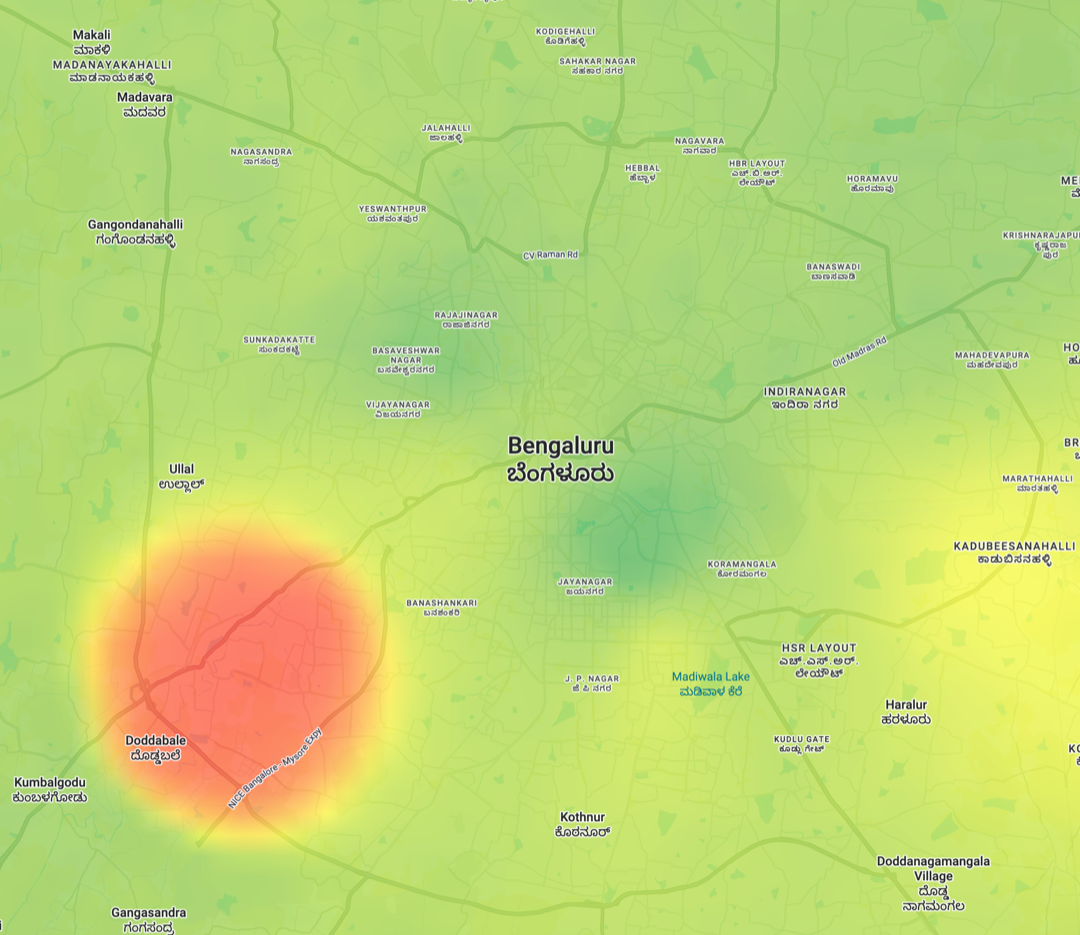
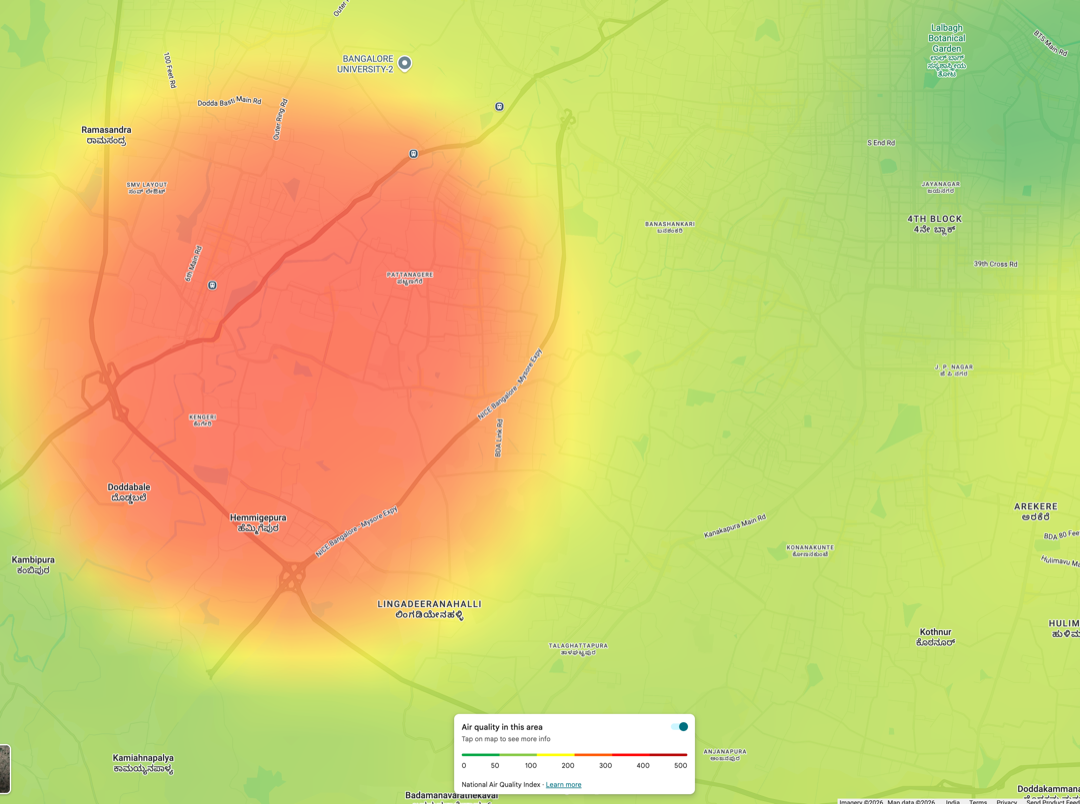
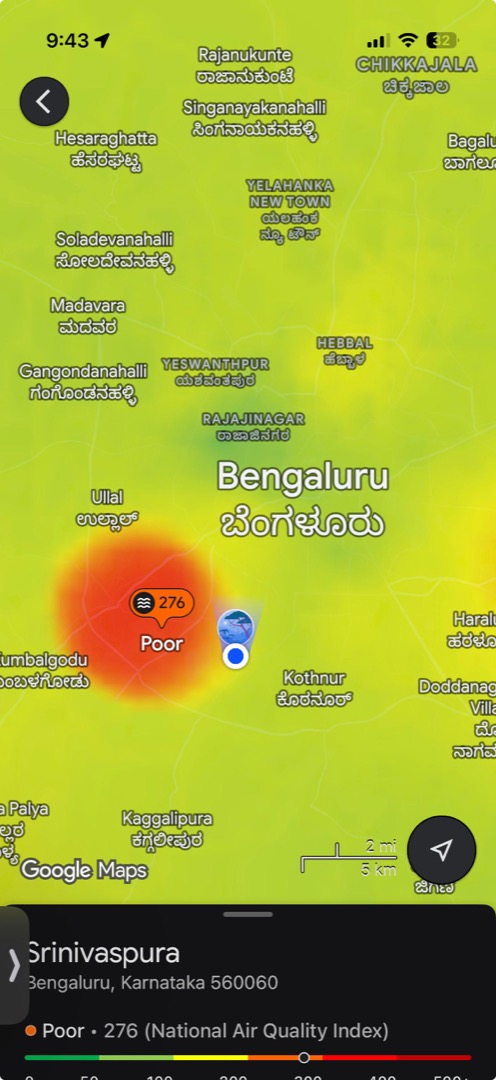
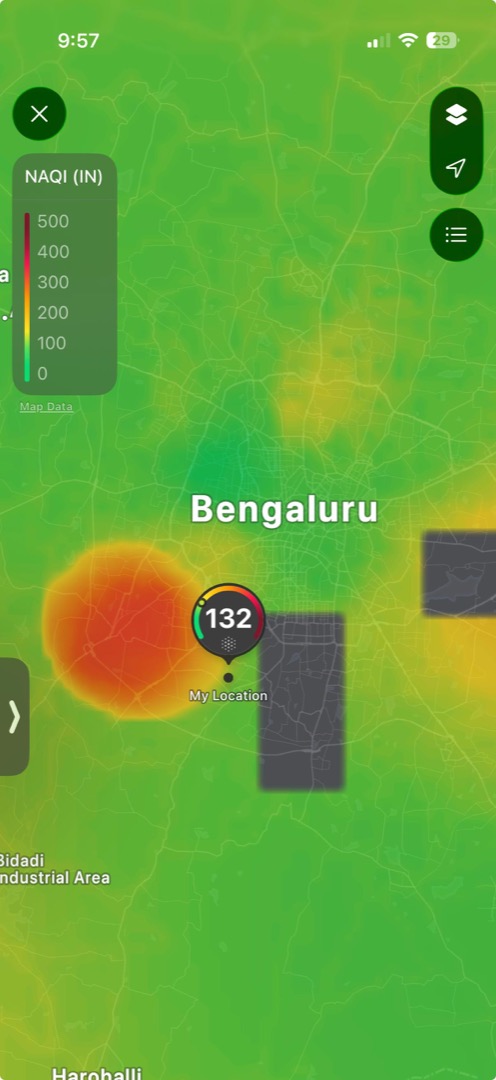
Independent third-party data from Google Maps corroborates the air quality crisis in Gubbalala, showing the area highlighted in red as a poor air quality zone.
ಗೂಗಲ್ ನಕ್ಷೆಯಲ್ಲಿ ಗುಬ್ಬಳಾಳ ಕೆಂಪು ಬಣ್ಣದಲ್ಲಿ - ಕೆಟ್ಟ ವಾಯು ಗುಣಮಟ್ಟ ಪ್ರದೇಶ.
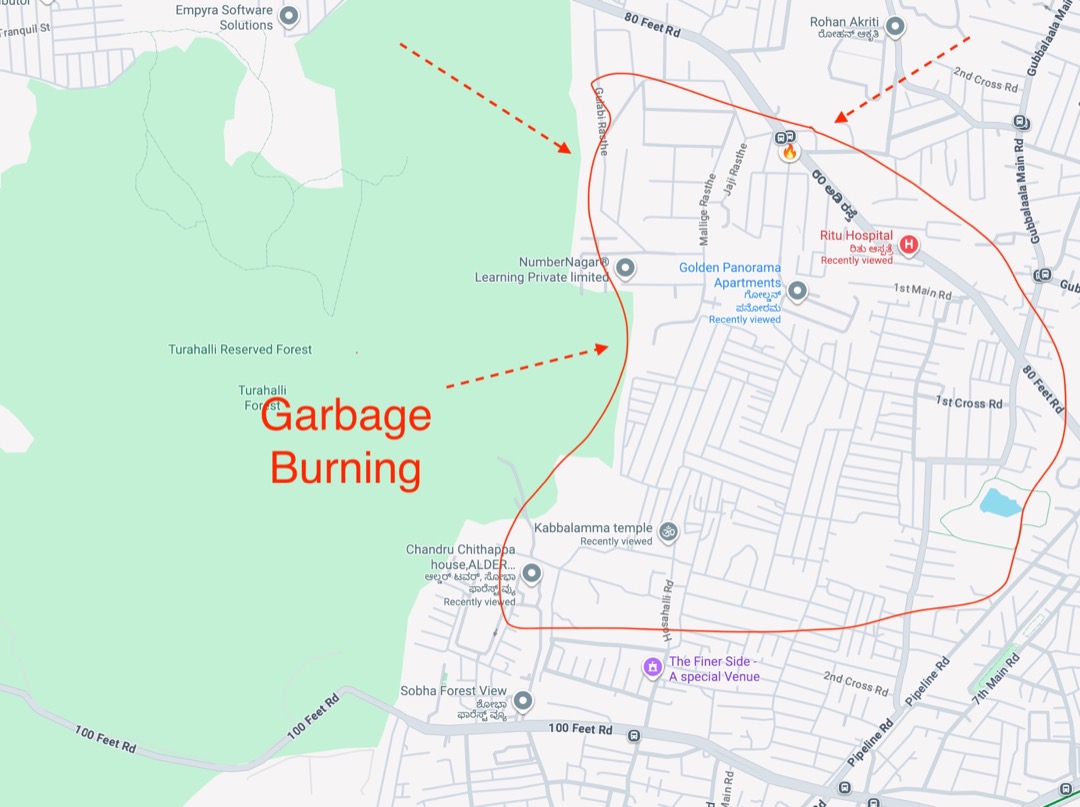
This investigation represents ongoing community-led efforts to establish a factual record of air quality issues in Gubbalala. All information has been systematically collected, verified, and archived.
ಈ ತನಿಖೆಯು ಗುಬ್ಬಳಾಳದಲ್ಲಿನ ವಾಯು ಗುಣಮಟ್ಟ ಸಮಸ್ಯೆಗಳ ವಾಸ್ತವಿಕ ದಾಖಲೆಯನ್ನು ಸ್ಥಾಪಿಸಲು ಸಮುದಾಯ-ನೇತೃತ್ವದ ದಾಖಲಾತಿ ಪ್ರಯತ್ನಗಳನ್ನು ಪ್ರತಿನಿಧಿಸುತ್ತದೆ.
Documentation Methods
ದಾಖಲಾತಿ ವಿಧಾನಗಳು
- • Time-stamped photography
- • GPS coordinate verification
- • AQI monitoring data correlation
- • Multiple witness accounts
Data Collection Period
ಡೇಟಾ ಸಂಗ್ರಹಣೆ ಅವಧಿ
Ongoing documentation since winter 2025-2026, with particular focus during temperature inversion periods (December-February).
This section archives new evidence as it emerges. Each sighting is documented with timestamps, location data, and visual records to maintain a comprehensive investigative trail of the ongoing situation.
ಈ ವಿಭಾಗವು ಹೊಸ ಸಾಕ್ಷ್ಯಗಳನ್ನು ದಾಖಲಿಸುತ್ತದೆ. ಪ್ರತಿಯೊಂದು ವೀಕ್ಷಣೆಯನ್ನು ಸಮಯ ಮುದ್ರೆಗಳು ಮತ್ತು ದೃಶ್ಯ ದಾಖಲೆಗಳೊಂದಿಗೆ ದಾಖಲಿಸಲಾಗಿದೆ.
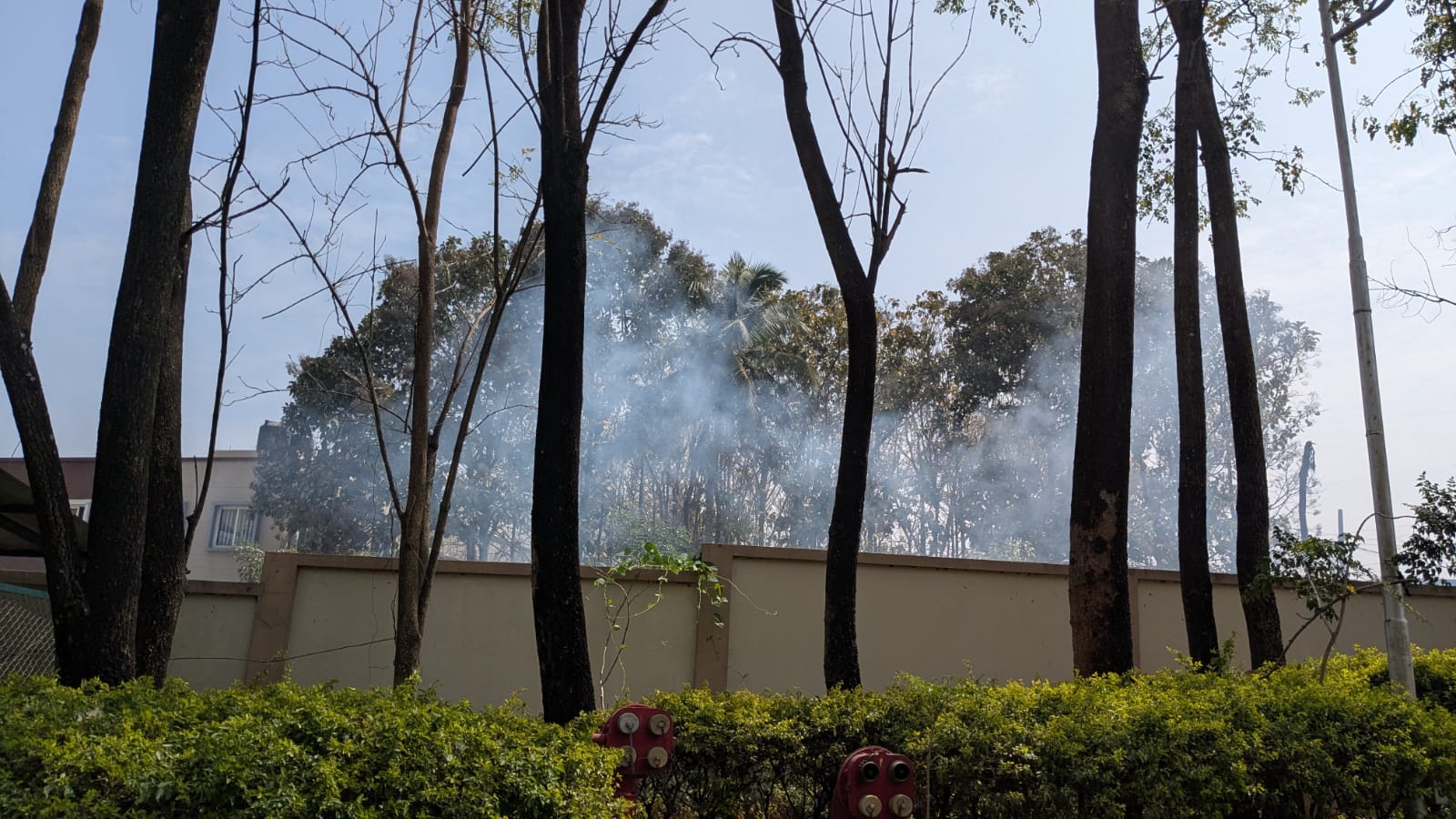
Photograph showing smoke visible over the boundary wall of Mantri Tranquil, indicating recent or ongoing burning activity nearby.
ಮಂಟ್ರಿ ಟ್ರ್ಯಾಂಕ್ವಿಲ್ ಗಡಿಯ ಗೋಡೆಯ ಮೇಲೆ ಕಾಣುವ ಹೊಗೆ.
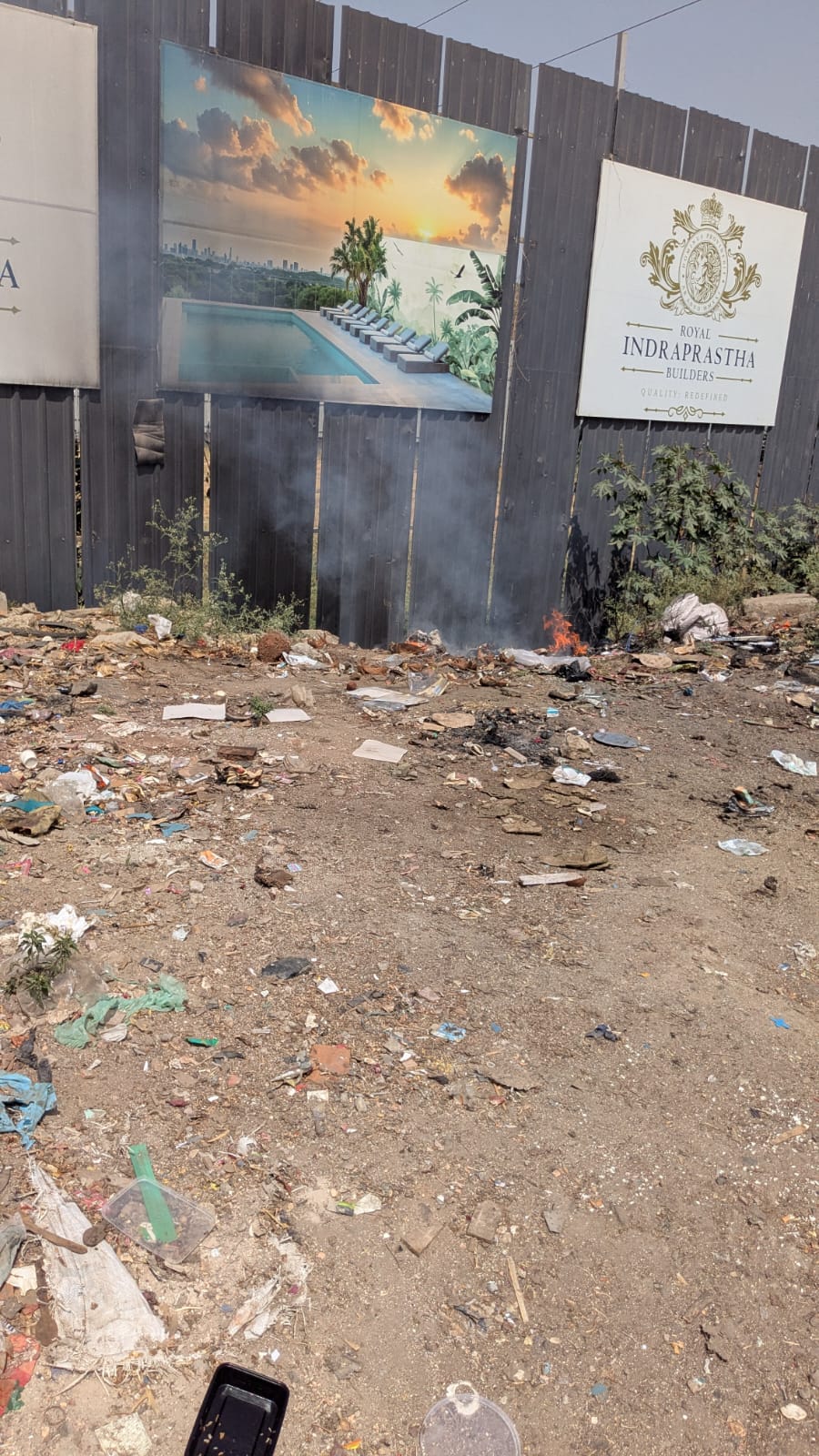
Image documenting active trash burning near the Roya Indraprastha Builders site. Dense smoke is visible, indicating significant open burning.
ರೋಯಾ ಇಂದ್ರಪ್ರಸ್ಥ ಬಿಲ್ಡರ್ಸ್ ಸೈಟ್ ಹತ್ತಿರ ಕಸದ ಸುಡುವಿಕೆಯನ್ನು ತೋರಿಸುವ ಚಿತ್ರ.
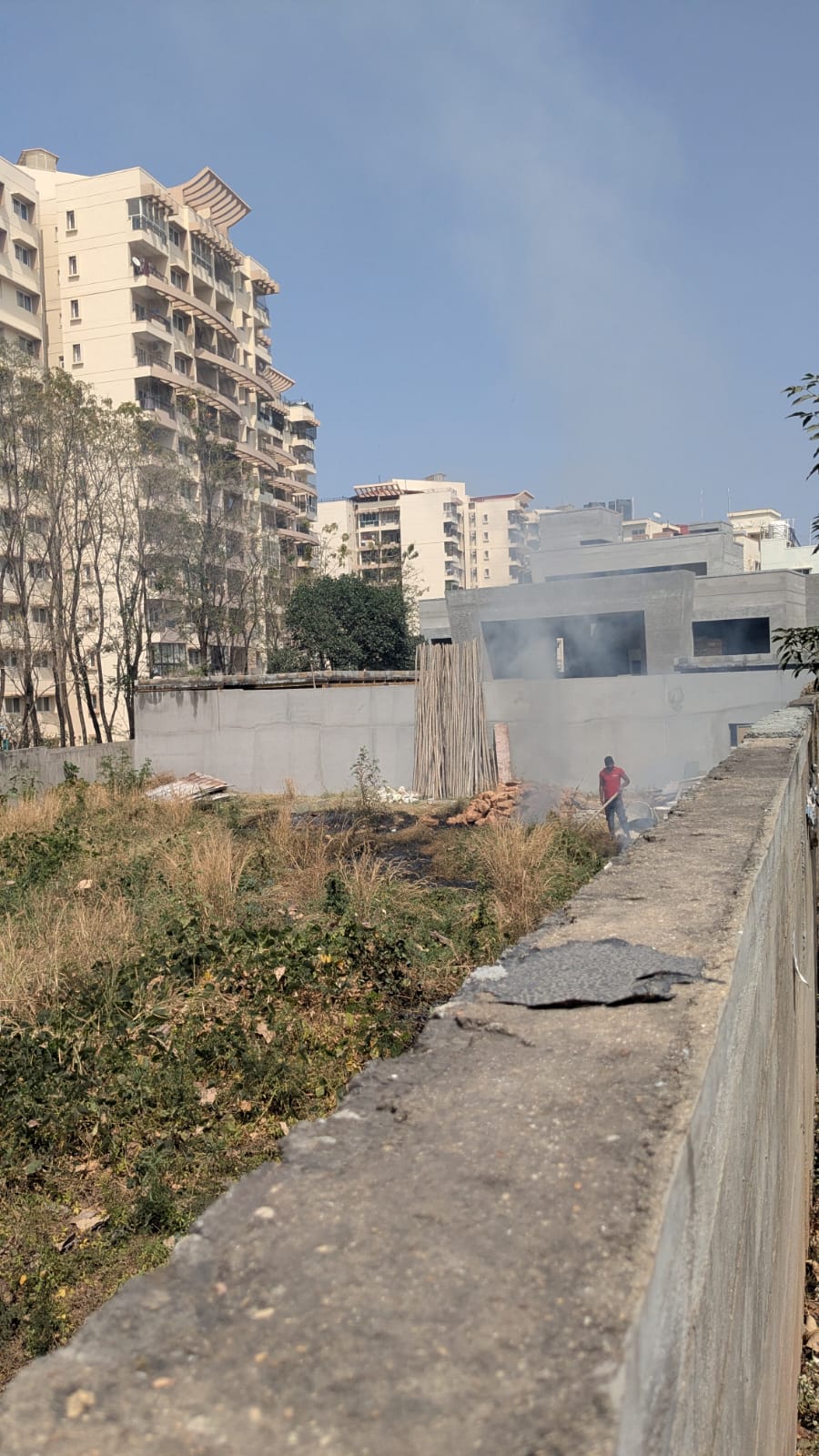
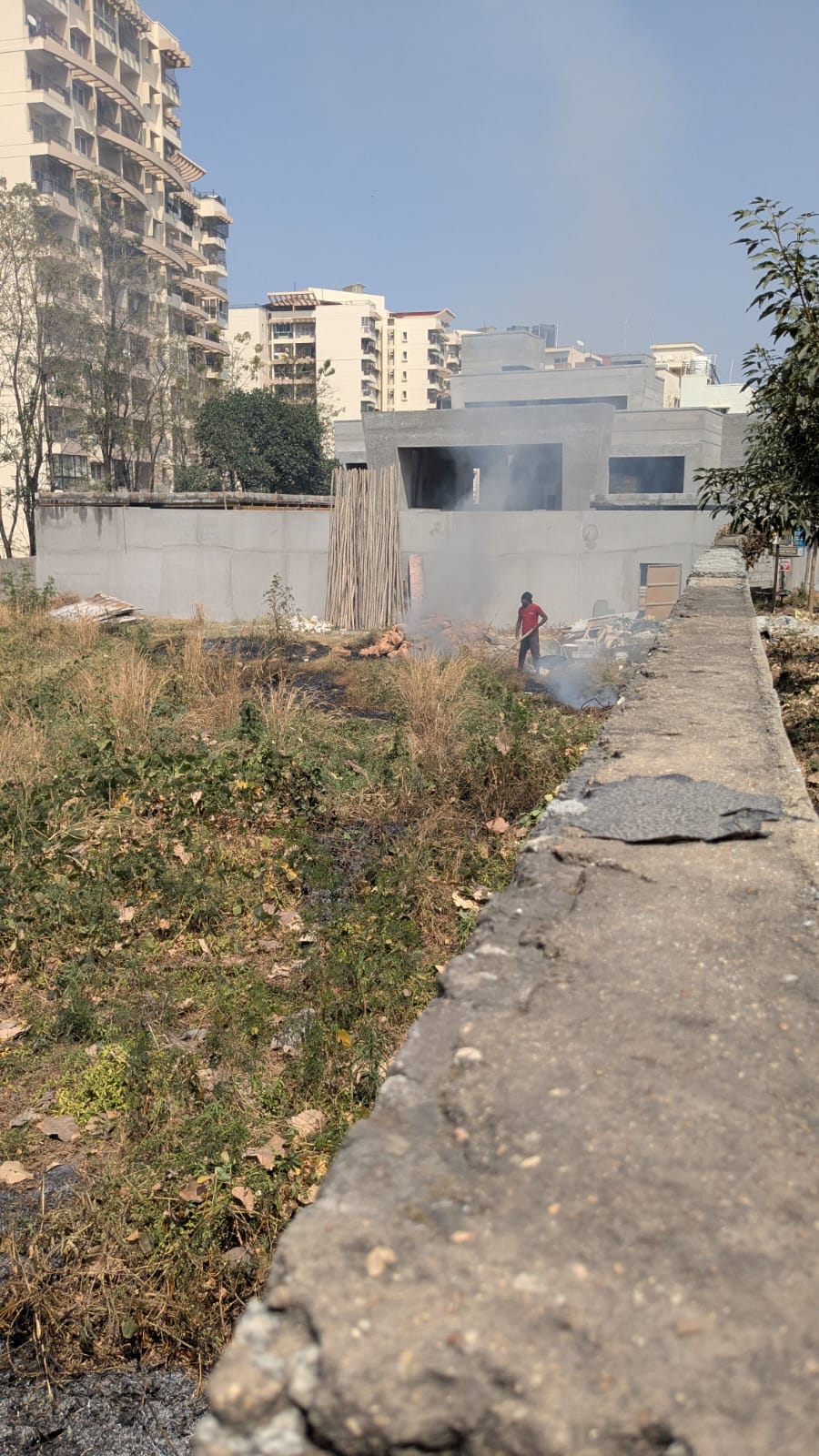
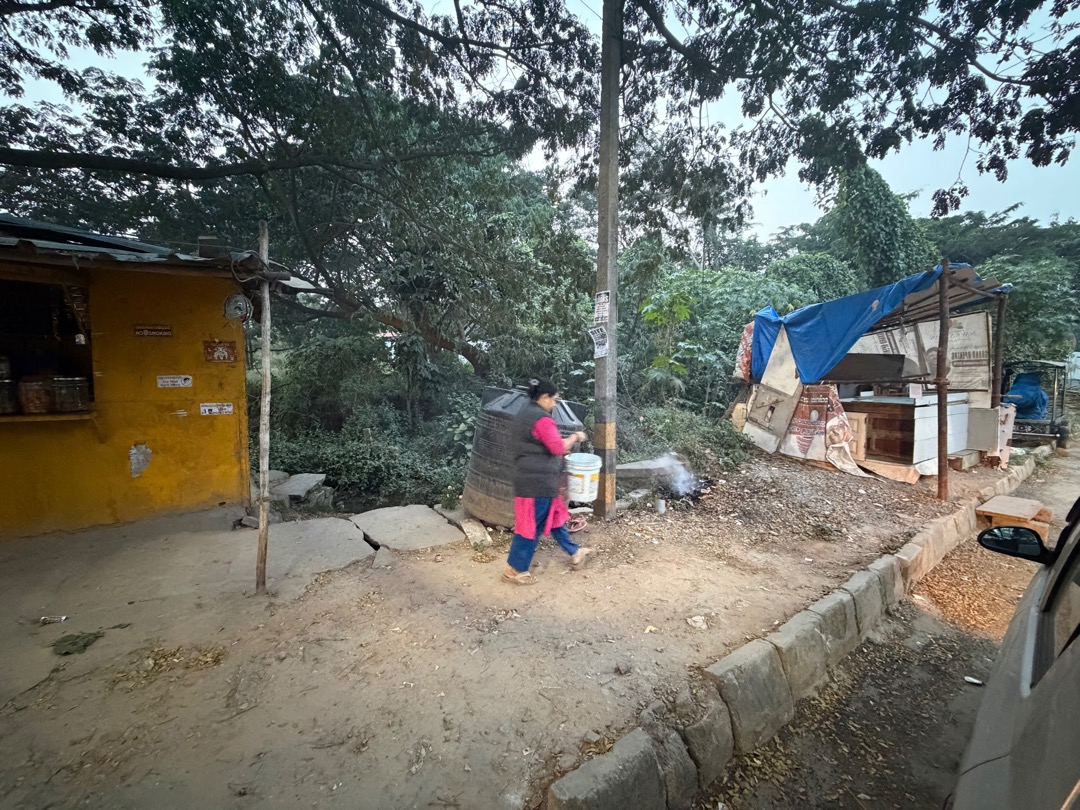
Collage: Two photographs showing persons burning trash and stubble near Mantri Tranquil and Mantri Tranquil 2. Both images document open burning activity and visible smoke in the area.
ಕೊಲಾಜ್: ಮಂಟ್ರಿ ಟ್ರ್ಯಾಂಕ್ವಿಲ್ ಮತ್ತು ಮಂಟ್ರಿ ಟ್ರ್ಯಾಂಕ್ವಿಲ್ 2 ಹತ್ತಿರ ಕಸದ ಮತ್ತು ಹುಲ್ಲಿನ ಸುಡುವಿಕೆಯನ್ನು ತೋರಿಸುವ ಎರಡು ಚಿತ್ರಗಳು.
Video evidence captured showing current conditions in the documented area. This footage provides ongoing visual verification of the situation described in earlier stages of this investigation.
ದಾಖಲಿಸಿದ ಪ್ರದೇಶದಲ್ಲಿ ಪ್ರಸ್ತುತ ಪರಿಸ್ಥಿತಿಗಳನ್ನು ತೋರಿಸುವ ವೀಡಿಯೊ ಸಾಕ್ಷ್ಯ.
Following awareness efforts, some local community members have cooperated in addressing the issue, taking corrective action when informed about environmental and health impacts.
ಜಾಗೃತಿ ಪ್ರಯತ್ನಗಳ ನಂತರ, ಕೆಲವು ಸ್ಥಳೀಯ ಸಮುದಾಯದ ಸದಸ್ಯರು ಸಮಸ್ಯೆಯನ್ನು ಪರಿಹರಿಸುವಲ್ಲಿ ಸಹಕಾರವನ್ನು ತೋರಿಸಿದ್ದಾರೆ.
Important Note
This investigation is not about attacking individuals. Many people burn garbage due to lack of awareness about health impacts or inadequate waste collection systems. Our goal is education, awareness, and collaborative solutions.
ಈ ತನಿಖೆಯು ವ್ಯಕ್ತಿಗಳನ್ನು ದಾಳಿ ಮಾಡಲು ಅಲ್ಲ. ಆರೋಗ್ಯ ಪರಿಣಾಮಗಳ ಅರಿವಿಲ್ಲದೆ ಅಥವಾ ಸಾಕಷ್ಟು ತ್ಯಾಜ್ಯ ಸಂಗ್ರಹಣೆ ವ್ಯವಸ್ಥೆ ಇಲ್ಲದಿರುವುದರಿಂದ ಅನೇಕರು ಕಸ ಸುಡುತ್ತಾರೆ. ನಮ್ಮ ಗುರಿ ಶಿಕ್ಷಣೆ, ಅರಿವು ಮತ್ತು ಸಹಕಾರಾತ್ಮಕ ಪರಿಹಾರಗಳು.
Education Approach
ಶಿಕ್ಷಣ ವಿಧಾನ
- • Respectful dialogue with community members
- • Sharing health impact information
- • Offering alternative waste disposal methods
- • Building collective awareness
Join the Community
ಸಮುದಾಯಕ್ಕೆ ಸೇರಿ
Connect with other Gubbalala residents working together for cleaner air. Share updates, coordinate actions, and support each other.
ಶುದ್ಧ ಗಾಳಿಗಾಗಿ ಒಟ್ಟಿಗೆ ಕೆಲಸ ಮಾಡುವ ಇತರ ನಿವಾಸಿಗಳೊಂದಿಗೆ ಸಂಪರ್ಕ ಸಾಧಿಸಿ.
WhatsApp ಗುಂಪಿಗೆ ಸೇರಿ
Bengaluru sees rise in respiratory illnesses as air quality worsens
Deccan Herald • February 2026
Health data shows a steady rise in patients with respiratory illnesses like asthma and bronchitis in Bengaluru, with doctors noting a 10-15% increase in cases. While not directly linked, pulmonologists observe that 70% of affected patients are non-smokers, suggesting poor air quality as a primary driver.
Bengaluru: Anchepalya residents grapple with garbage and burning waste
Deccan Herald • January 2026
Residents in north Bengaluru's Anchepalya report daily piles of garbage and frequent open-air burning, which has worsened over the last six months due to a residential boom. The lack of routine pickup and delayed sorting facilities have forced residents and even pourakarmikas to burn waste on roadsides.
Bengaluru’s garbage burning crisis chokes residents across the city
Deccan Herald • October 2025
A widespread garbage burning crisis in Bengaluru is causing severe pollution, with some areas reporting PM 2.5 levels as high as 247. The report highlights that nearly 15-20% of municipal waste is still burnt illegally, often due to inadequate processing infrastructure and inconsistent enforcement.
Burning issue: Fire at garbage dump rattle Kumbalgodu apartment dwellers
Deccan Herald • March 2024
Residents of an apartment complex in Kumbalgodu have raised alarms over rampant garbage dumping and frequent fires at nearby sites, which release noxious fumes. The fires, occurring multiple times in a week, expose vulnerable groups to serious health risks like prolonged respiratory distress.
Determined to end Bengaluru's garbage mess, says D K Shivakumar
Deccan Herald • December 2025
Deputy CM D K Shivakumar has pledged to resolve the city's garbage crisis by implementing new tenders and integrated waste management units. The government aims to track illegal dumping using CCTV cameras and transform waste into energy and gas through modern processing plants.
#Raising Awareness
ಅರಿವು ಮೂಡಿಸುವುದು
This investigation aims to raise awareness about recurring air quality issues in Gubbalala. All findings presented here are factual and verifiable.
Share this report to increase community awareness and support evidence-based environmental action.